Passport
Valid for at least 6 months from your intended arrival date, with at least two blank pages.
Performers · Artists · Organizers
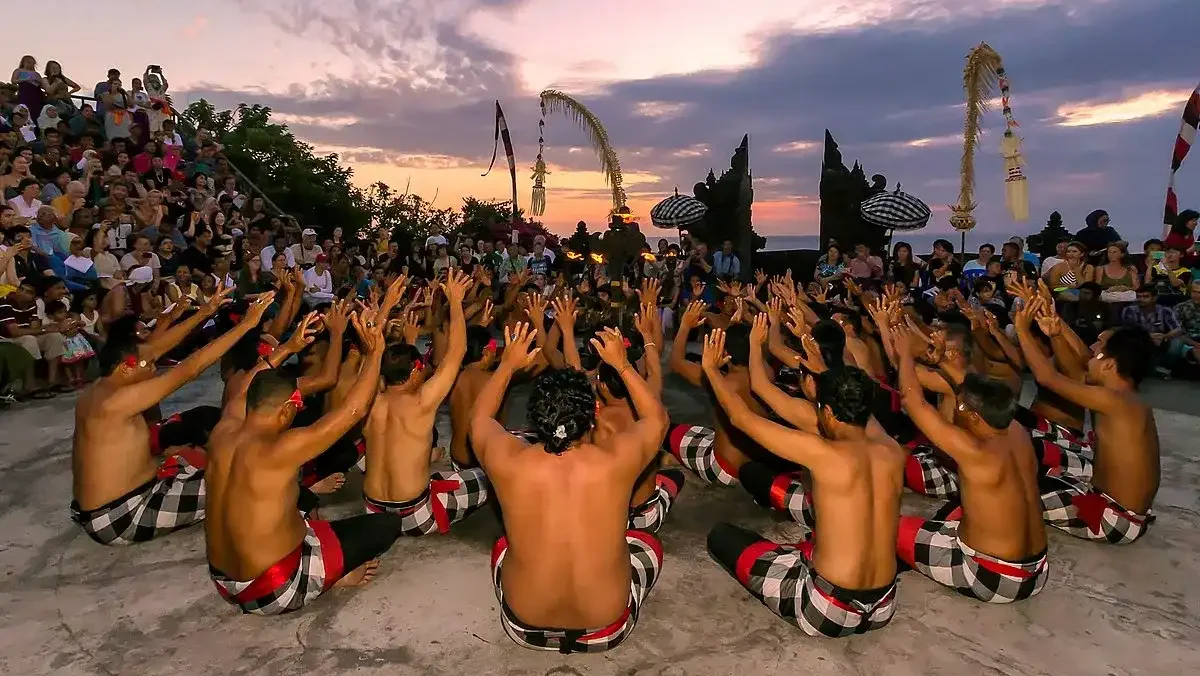
Bali, with its magnetic pull for creatives, has long been a crucible for artistic expression, a vibrant stage where global talents converge. Navigating the legal landscape to bring your creative practice to Bali, however, requires precision.
In short
While C7C Visa Bali is our brand name for comprehensive immigration solutions, there is no official “C7C visa” category within the Indonesian immigration framework. Your purpose of visit — whether a short-term performance, a workshop series, or organizing a major cultural event — dictates the appropriate visa.
Documents
For many international artists and performers heading to Bali for a specific gig or cultural exchange, the B211A Visitor Visa is the most frequently utilized pathway. This visa requires a robust application, underpinned by a clear purpose and a credible local sponsor.
Valid for at least 6 months from your intended arrival date, with at least two blank pages.
Proof of your departure from Indonesia.
Bank statements showing sufficient funds (e.g. USD 2,000) to cover your stay.
A formal letter from an Indonesian individual or entity (e.g. event organizer, gallery, venue, festival) stating the purpose of your visit, confirming sponsorship, and guaranteeing your activities and compliance. This is non-negotiable for a B211A visa.
Valid ID (KTP) for individual sponsors, or company registration documents (NPWP, SIUP, TDP, Akta Pendirian) for corporate sponsors.
Outlining your artistic engagements, workshops, or event participation.
Demonstrating your artistic background, previous performances, or relevant experience. This helps Immigration understand your professional standing.
Recent, in colour, with a white background.
Our expertise at C7C Visa Bali lies in clarifying these distinctions and guiding you to the right path.
Organizers & longer stays
For those looking to establish a more significant presence in Bali’s creative economy — whether you’re an event organizer planning multiple festivals, an artist setting up a long-term studio, or a production company hiring local talent — the Temporary Stay Permit (KITAS/ITAS) is the appropriate, albeit more complex, path.
You must be sponsored by an Indonesian legal entity (e.g. PT PMA for foreign investment, or a local PT). This entity will manage your work permit application.
For the sponsoring entity: Akta Pendirian (Deed of Establishment), NPWP (Tax ID), SIUP (Business License), TDP (Company Registration Certificate), and relevant permits from BKPM if it is a foreign investment company.
A Foreign Worker Utilization Plan, approved by the Ministry of Manpower, detailing the foreign position, duration, and local counterpart training plan.
CV/Resume demonstrating relevant experience (minimum 5 years for some roles), educational certificates (translated and legalized if not in English), letter of recommendation from previous employers, and a job description matching the RPTKA.
Proof of residence in Indonesia.
Health and life insurance coverage.
The application for a KITAS is a multi-stage process involving approvals from the Ministry of Manpower for the IMTA, followed by the visa application at Ditjen Imigrasi, and finally registration at your local Imigrasi office (e.g. Imigrasi Denpasar) upon arrival for biometrics and KITAS card issuance.
After arrival
Securing your visa is just the first act; maintaining compliance throughout your stay is crucial for a harmonious and successful creative endeavor in Bali. Indonesian immigration laws are clear, and ignorance is not an excuse for non-compliance.
Never engage in activities not permitted by your visa. Performing or working on a tourist visa, for example, can lead to severe penalties, including deportation and blacklisting. Even a B211A visa has limitations on what constitutes “work” versus “cultural exchange.”
If your project extends beyond your initial visa validity, plan for extensions well in advance. B211A visas can typically be extended for 60-day blocks up to a total of 180 days, while KITAS permits are usually extended annually. Missing extension deadlines can result in hefty overstay fines (IDR 1,000,000 per day) and potential detention.
KITAS holders have specific reporting obligations to their local Imigrasi office (like Imigrasi Denpasar) and potentially the Ministry of Manpower.
Bali is rich in culture and tradition. Respect local customs, dress codes, and religious practices. Your artistic expression should always be mindful of and contribute positively to the local community.
For KITAS holders, an EPO is required when leaving Indonesia permanently, ensuring your immigration records are properly closed.
Understanding and respecting these regulations not only protects you legally but also fosters a positive relationship with the Indonesian authorities and local community.
FAQ
Explore more
Sponsorship, document management and a dedicated point of contact.
Visas and permits for idols, crew and the organizers behind them.
Latest rules, costs and enforcement trends, from our desk.
Long-term stays, digital nomad permits and second home visas.
Apply and extend without a trip to the immigration office.
Temporary and permanent stay permits, every category.
Ready to apply?
Whether you’re planning a one-off performance, a series of workshops, or organizing a major cultural event, C7C Visa Bali is your trusted partner for requirements for performers, artists, and organizers. We provide clarity, efficiency, and peace of mind.